Philadelphia, PA

Skin Cancer Reconstruction (Mohs)

Anchored in vitality

Introduction to Skin Cancer Reconstruction (Mohs Surgery)

After removing cancer safely, many worry about how their skin will look afterward. Skin cancer reconstruction helps clients restore both form and function after cancer removal.

At Evan Jones, MD, in Bala Cynwyd, PA, we welcome patients from the Main Line and the greater Philadelphia area seeking thoughtful, artful aesthetic treatments tailored to enhance their natural beauty.

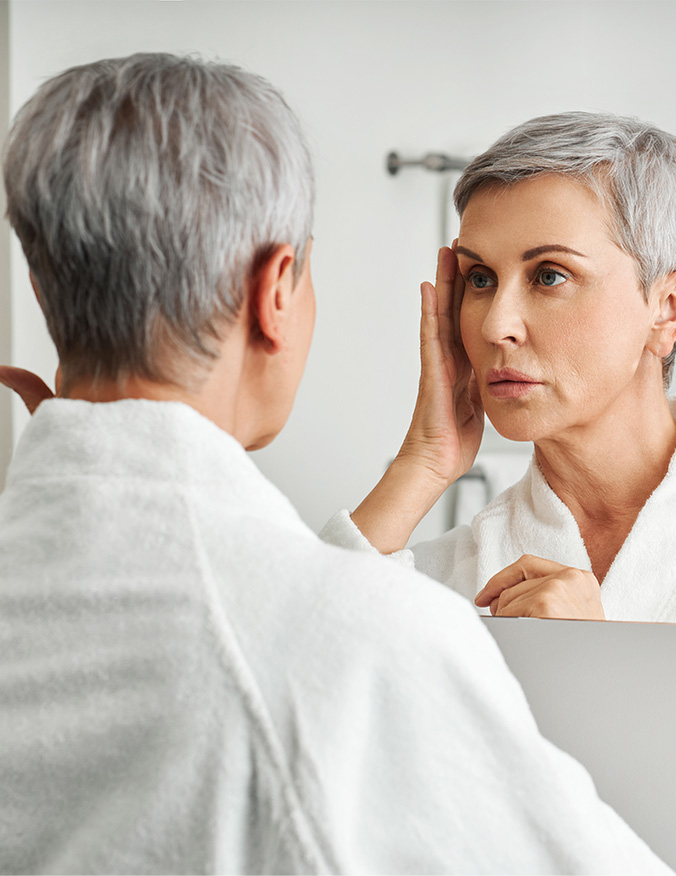
A woman with short gray hair, seen from behind in a white robe, looking at her reflection in a bathroom mirror. She is gently touching her temple and examining her facial skin with a serious, observant expression. - Skin cancer reconstruction MOHS in Los Angeles, CA

What is Skin Cancer Reconstruction?

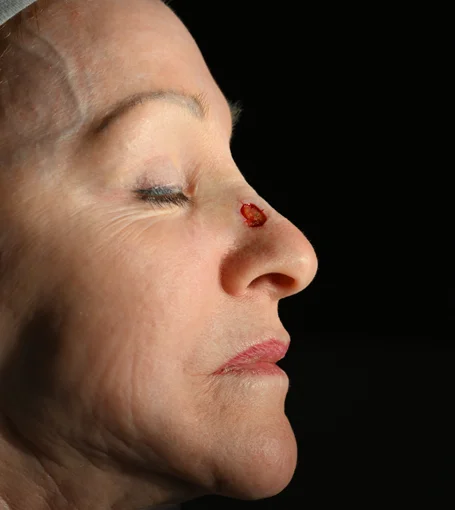
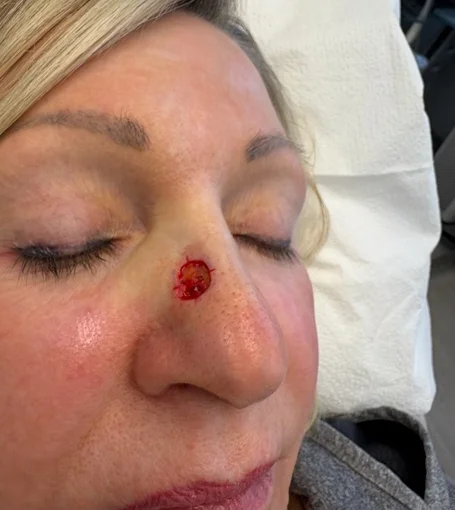
Skin cancer reconstruction is a specialized surgical process performed after the removal of skin cancer, most commonly following Mohs surgery. Mohs surgery is a precise technique used by dermatologic surgeons to remove skin cancer layer by layer until all cancerous cells are eliminated. While this method is highly effective, it can leave behind a defect that requires careful reconstruction.

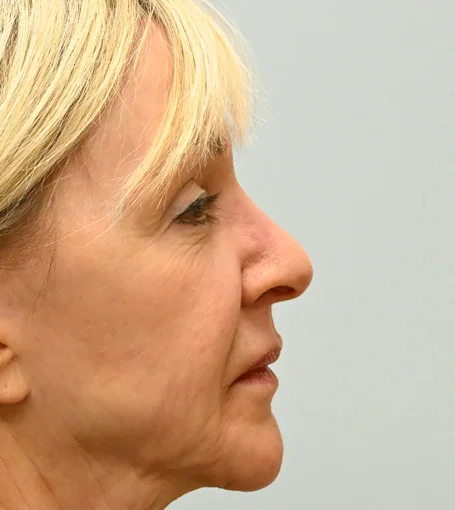
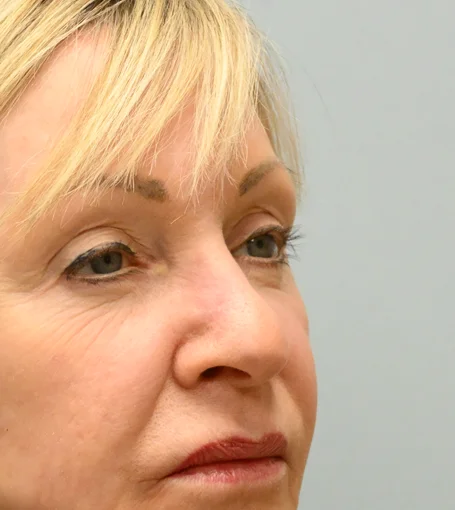
Reconstruction focuses on repairing the affected area while preserving natural facial contours, function, and appearance. Depending on the size and location of the defect, reconstruction may involve simple closure, local tissue rearrangement, skin grafting, or more advanced reconstructive techniques.

Facial skin cancer reconstruction requires a deep understanding of facial anatomy, blood supply, and healing patterns. Dr. Jones carefully plans each reconstruction to ensure the best possible aesthetic and functional outcome, particularly in visible areas such as the nose, eyelids, lips, cheeks, and ears.

Who Are the Best Candidates For Skin Cancer Reconstruction?

Candidates for skin cancer reconstruction are individuals who have undergone or are scheduled to undergo Mohs surgery or another form of skin cancer removal. Reconstruction may be necessary for both small and large defects, depending on location and depth.

Patients of all ages may require reconstruction, particularly when cancer affects the face or neck. Good candidates are in overall stable health and understand that reconstruction aims to restore appearance and function rather than create perfection.

Dr. Jones evaluates each patient’s medical history, skin quality, and healing capacity to determine the most appropriate reconstructive approach. Even complex cases can often be managed successfully with careful planning.

What Are the Benefits of Skin Cancer Reconstruction?

The primary benefit of skin cancer reconstruction is restoring the face after cancer removal in a way that looks natural and heals properly. Reconstruction helps protect vital facial structures while minimizing visible scarring and distortion.

Patients benefit from improved symmetry, preserved facial movement, and better blending of reconstructed tissue with surrounding skin. Thoughtful reconstruction can also support proper healing and reduce the risk of any long-term complications such as tightness or functional impairment.

Beyond physical benefits, reconstruction plays an important role in emotional recovery. Many patients feel more confident and at ease knowing their appearance has been carefully considered following cancer treatment. Skin cancer reconstruction allows patients to move forward without being constantly reminded of their diagnosis.

A male clinician in a blue suit and a female patient in a black sweater and jeans walk together down a brightly lit medical office hallway while engaged in conversation. - first step in Los Angeles, CA

What’s the First Step?

The first step in skin cancer reconstruction is coordination with the treating dermatologist or Mohs surgeon. In many cases, Dr. Jones meets patients after their cancer has been removed and the final defect is known.

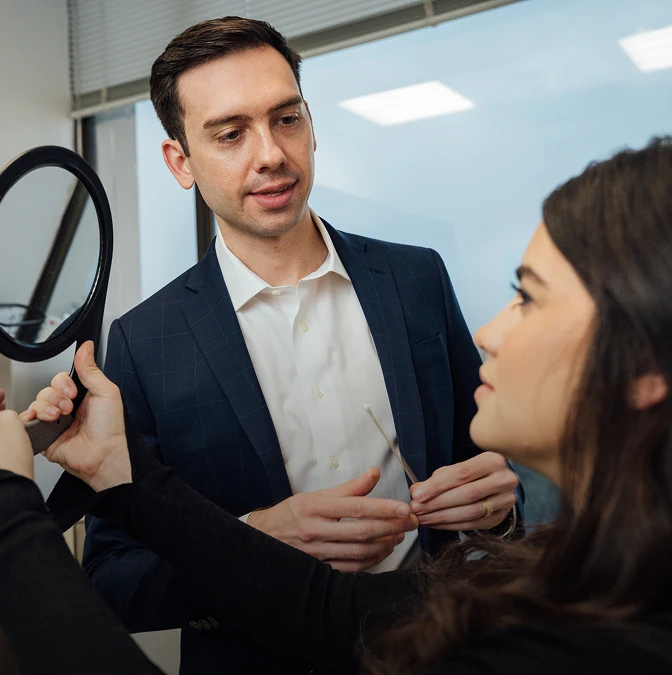
A consultation at his Philadelphia area office allows Dr. Jones to assess the area, discuss reconstructive options, and explain the recommended approach.

What to Expect on the Day of Skin Cancer Reconstruction Surgery

Skin cancer reconstruction is often performed on the same day as Mohs surgery or shortly thereafter. Once the cancer has been fully removed and clear margins are confirmed, reconstruction begins.

Skin cancer reconstruction surgery is performed under local anesthesia, though sedation may be used in certain cases. Dr. Jones will prepare the area and perform reconstruction using techniques tailored to the defect and surrounding anatomy.

Surgery time varies depending on complexity, but many reconstructions are completed within a few hours. Patients are discharged the same day with detailed care instructions and follow-up information.

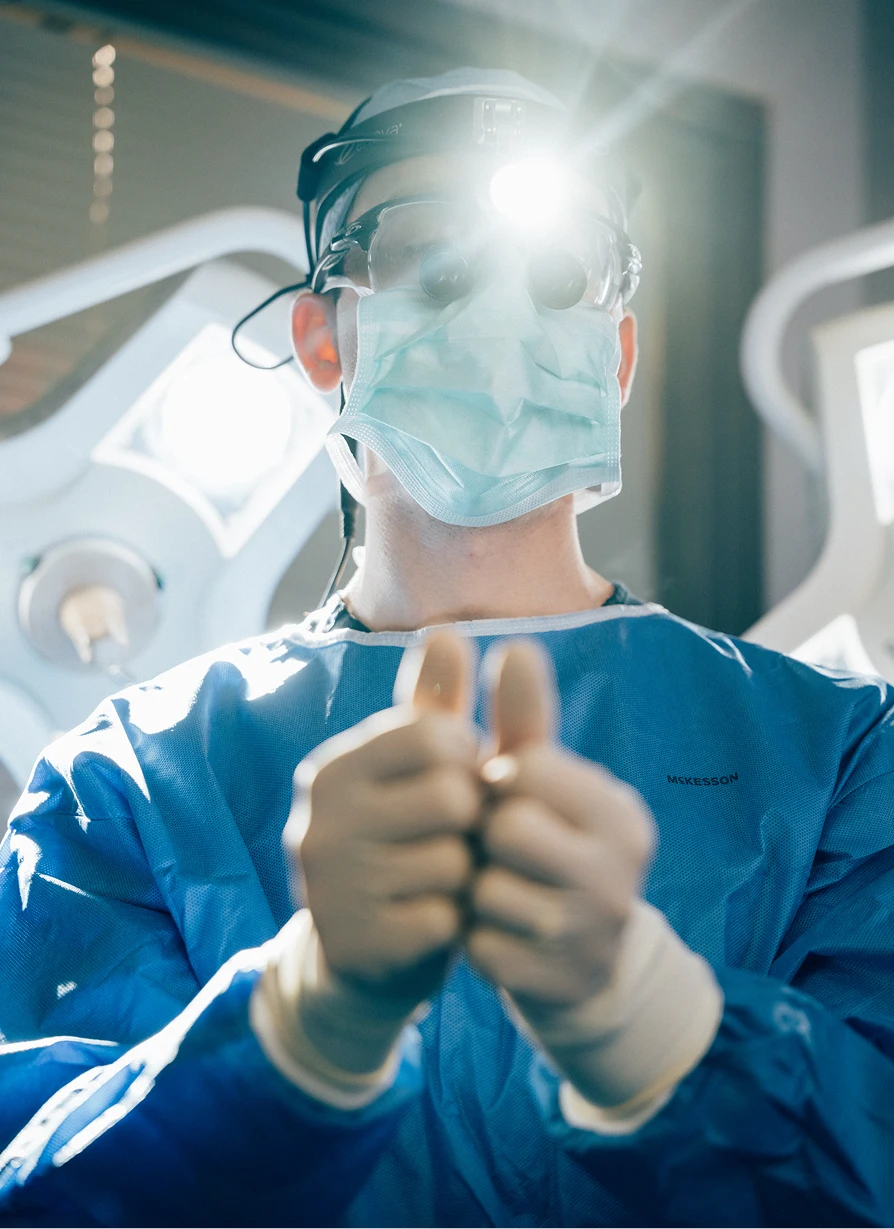
A surgeon in blue scrubs, a surgical mask, and a lighted headlamp stands in an operating room giving a double thumbs-up.- Facelift in Los Angeles, CA
A white marble wall, vertical

Skin Cancer Reconstruction Recovery

Your Guide to Post-Skin Cancer Reconstruction Care

Recovery following skin cancer reconstruction depends on the extent of the repair and the area treated. Mild swelling, bruising, and tenderness are common during the early healing phase and typically improve gradually.

Patients may have sutures or dressings that require care during the first one to two weeks. Dr. Jones provides clear guidance on wound care, activity restrictions, and sun protection to support optimal healing.

Most can return to normal daily activities within a few days, though strenuous activity should be avoided until cleared. As healing progresses, scars continue to soften and fade over several months.

Follow-up visits allow Dr. Jones to monitor healing and address any concerns promptly. Long-term results continue to improve as the skin remodels and matures.

How Much Does Skin Cancer Reconstruction Cost in Philadelphia, PA?

The cost of skin cancer reconstruction in Philadelphia varies depending on the size, location, and complexity of the defect, as well as the reconstructive technique required.

In many cases, reconstruction following skin cancer removal is considered medically necessary and may be partially or fully covered by insurance. Coverage varies based on individual plans and clinical circumstances.

During consultation, Dr. Jones and the practice team review expected costs, insurance considerations, and any out-of-pocket expenses.

Why Choose Dr. Jones?

When skin cancer affects the face, the next step matters just as much as the diagnosis. Reconstruction is not only about closing an area that has been treated, but also about restoring how the face looks, moves, and feels, so patients can return to living their lives without constant reminders of what they have been through.

Dr. Evan Jones approaches skin cancer reconstruction with that exact perspective. His Philadelphia-area practice focuses entirely on the face, so every decision is made with facial balance, expression, and long-term healing in mind. He understands how noticeable even small changes can be and plans each reconstruction carefully to blend naturally with the surrounding skin.

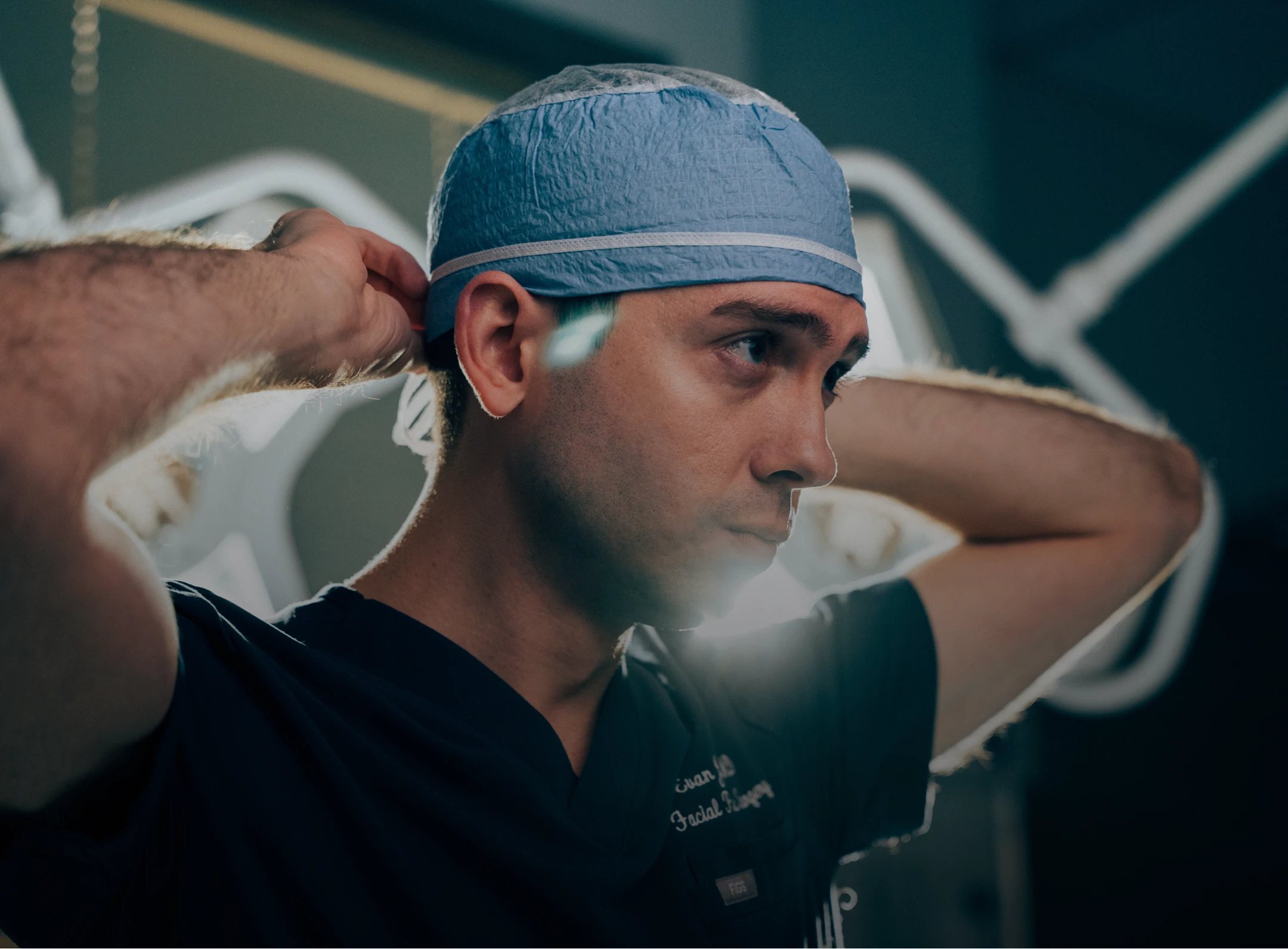
A surgeon in dark scrubs ties a blue surgical cap behind his head while standing in a dimly lit operating room under bright surgical lights. - Procedure in Los Angeles, CA

Skin Cancer Reconstruction FAQ’S